
I walked into my first yoga class thinking it would be easy.
I was wrong.
I could not touch my toes. I could not balance on one leg. I could not quiet my mind for more than five seconds.
I left that class humbled. Sore. And strangely calm.
I kept going back. Not because I was good at it. But because yoga taught me something I desperately needed to learn: Flexibility is not just physical. It is mental. Emotional. Spiritual.
It is the ability to bend without breaking. To let go of what no longer serves you. To meet yourself exactly where you are.
What Yoga Actually Is
Yoga is not just stretching. It is not just exercise. It is a practice that connects your body, mind, and breath.
The physical poses—called asanas—are only one part of yoga. The other parts include breathwork, meditation, and mindfulness.
Together, these elements create a practice that is as much about mental and emotional health as it is about physical flexibility.
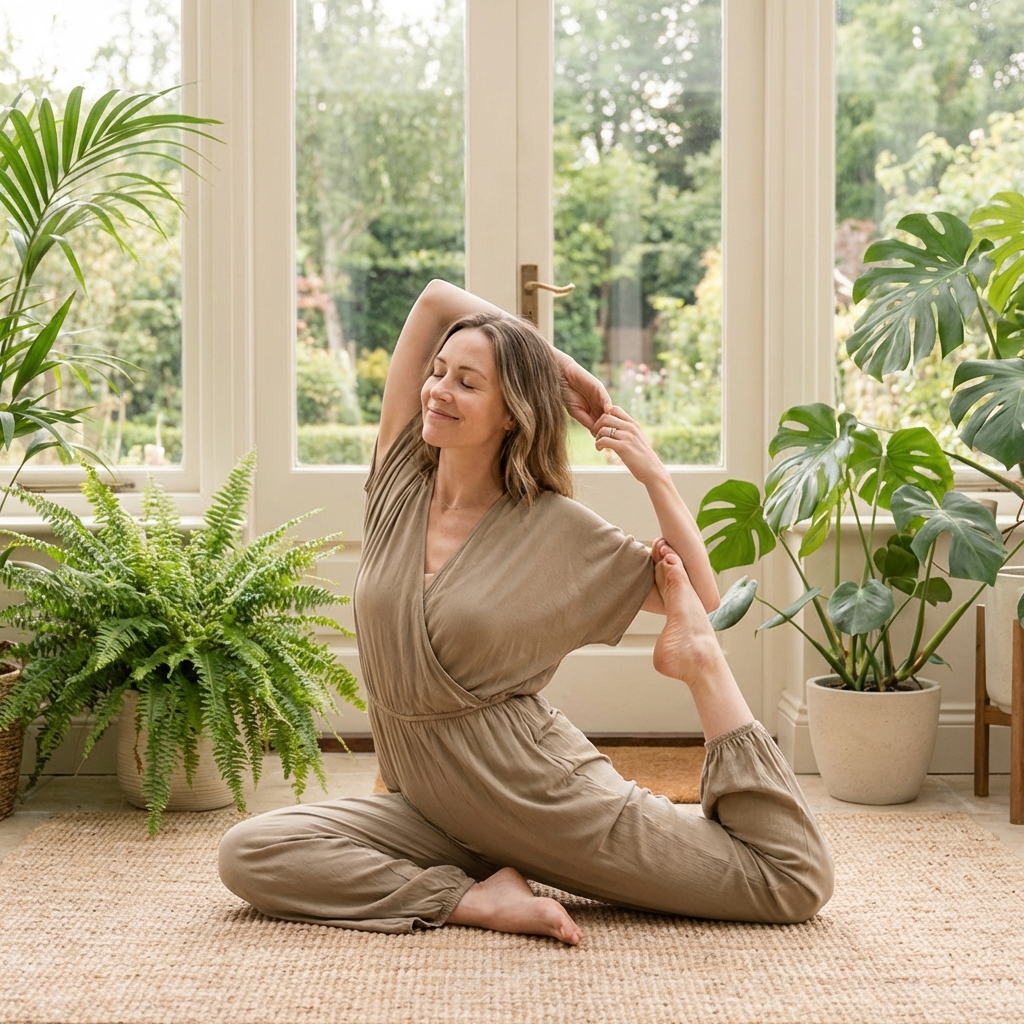
The Lessons Yoga Teaches
Lesson 1: You do not have to be perfect.
In yoga, there is no such thing as a perfect pose. Every body is different. What matters is not how the pose looks, but how it feels.
This lesson extends beyond the mat. You do not have to be perfect. You just have to show up and do your best.
Lesson 2: Discomfort is not the same as pain.
Yoga teaches you to distinguish between discomfort—which is part of growth—and pain, which is a signal to stop.
This applies to life too. Growth is uncomfortable. But discomfort is not the same as harm. Learning to sit with discomfort is how you expand.
Lesson 3: Breath is power.
In yoga, breath is everything. When a pose gets hard, you breathe through it. When your mind wanders, you return to your breath.
This is true off the mat too. When life gets overwhelming, your breath is an anchor. It is always there. Always available. Always calming.
Lesson 4: Let go of what does not serve you.
Yoga teaches you to release tension. To soften. To let go.
This is not just physical. It is emotional. Mental. Spiritual. Letting go of expectations. Letting go of judgment. Letting go of the need to control everything.
The Physical Benefits of Yoga
Yoga improves flexibility, strength, and balance. It reduces muscle tension and improves posture. It helps with chronic pain, especially back pain.
But the physical benefits are just the beginning.
The Mental and Emotional Benefits
Yoga reduces stress and anxiety. It improves focus and mental clarity. It helps you sleep better. It teaches you to be present.
For me, the biggest benefit is this: Yoga gives me space from my thoughts.
When I am on the mat, I am not thinking about work or relationships or my to-do list. I am just breathing. Moving. Being.
And in that space, I find peace.
How to Start Yoga (Even If You Are Not Flexible)
You do not need to be flexible to start yoga. Flexibility is the result of practice, not a prerequisite.
Here is how to begin:
1. Start with beginner classes. Look for classes labeled "beginner," "gentle," or "hatha." These classes move slowly and focus on foundational poses.
2. Use props. Blocks, straps, and bolsters are not cheating. They help you access poses safely and comfortably.
3. Listen to your body. If a pose hurts, modify it or skip it. Yoga is not about pushing through pain.
4. Focus on breath. If you can only remember one thing, remember to breathe. Deep, steady breaths.
5. Be patient. Progress in yoga is slow. But it is real. Trust the process.
A Simple Yoga Sequence for Beginners
Here is a simple sequence you can do at home:
- Child's Pose: 1-2 minutes (rest and breathe)
- Cat-Cow Stretch: 10 rounds (warm up the spine)
- Downward Dog: 5-10 breaths (full body stretch)
- Warrior I: 5 breaths per side (strength and balance)
- Triangle Pose: 5 breaths per side (stretch and stability)
- Seated Forward Fold: 1-2 minutes (hamstring stretch)
- Supine Twist: 1 minute per side (release tension)
- Savasana (Corpse Pose): 5-10 minutes (rest and integrate)
Move slowly. Breathe deeply. Do not force anything.
The Bottom Line
Yoga is not about being flexible. It is about becoming flexible—in body, mind, and spirit.
It is about learning to meet yourself where you are. To let go of what does not serve you. To breathe through the hard parts.
So if you have been curious about yoga, start. You do not need to be flexible. You do not need special clothes or expensive mats. You just need to show up.
Your body—and your mind—will thank you.