
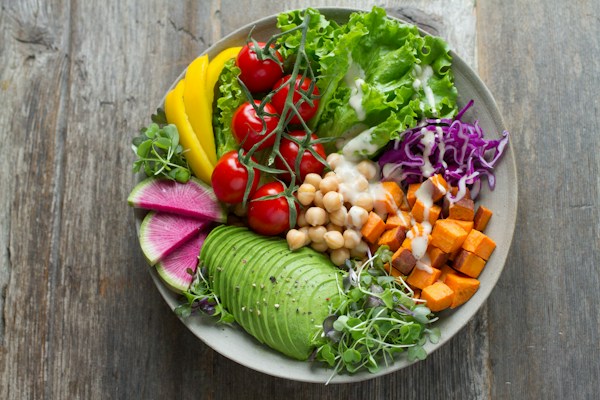
One of the most common questions about plant-based eating is: "But where do you get your protein?" The answer is simpler than many think. Plants offer abundant, diverse, and highly nutritious protein sources that can meet the needs of everyone from casual exercisers to elite athletes.
Understanding Protein Needs
The average adult needs about 0.8 grams of protein per kilogram of body weight daily. Athletes and those building muscle may need 1.2-2.0 grams per kilogram. These needs are easily met with a varied plant-based diet.
Top Plant-Based Protein Sources
- Legumes – Lentils (18g per cup cooked), chickpeas (15g), black beans (15g). They're also rich in fiber and iron.
- Soy Products – Tofu (20g per cup), tempeh (31g per cup), edamame (17g per cup). Soy is a complete protein.
- Seitan – Made from wheat gluten, seitan packs 25g of protein per 3.5 oz. It has a meat-like texture.
- Quinoa – One of the few plant foods containing all nine essential amino acids. 8g per cooked cup.
- Nuts and Seeds – Hemp seeds (10g per 3 tbsp), pumpkin seeds (9g per oz), almonds (6g per oz).
Combining Proteins
While it was once believed you needed to combine plant proteins at each meal to get complete proteins, we now know your body pools amino acids throughout the day. Simply eat a variety of plant foods, and you'll get all the amino acids you need.
Sample High-Protein Plant-Based Day
- Breakfast: Tofu scramble with vegetables (20g)
- Snack: Hummus with vegetables (8g)
- Lunch: Quinoa bowl with black beans (25g)
- Snack: Handful of almonds (6g)
- Dinner: Lentil curry with brown rice (22g)
That's over 80 grams of protein without any animal products. With a little planning, plant-based protein is not only possible—it's delicious and nutritious.