
I used to think I was just a "bad sleeper." Turns out, I was just really good at sabotaging my own rest. For years, I would lie in bed scrolling through my phone, drinking coffee at 4 PM, and wondering why I could not fall asleep. The answer was obvious, but I was not ready to hear it.
Sleep hygiene is not about being perfect. It is about creating an environment and routine that makes sleep easier, not harder. And the research is clear: small, consistent changes can make a massive difference.
Your Bedroom Is Not a Multipurpose Room
Here is the uncomfortable truth: if you work, eat, watch TV, and scroll social media in your bedroom, your brain no longer associates that space with sleep. It associates it with everything else.
Sleep scientists call this "stimulus control." Your brain is incredibly good at forming associations. If you only use your bed for sleep (and sex), your brain learns that bed equals sleep. If you use it for everything, your brain gets confused.
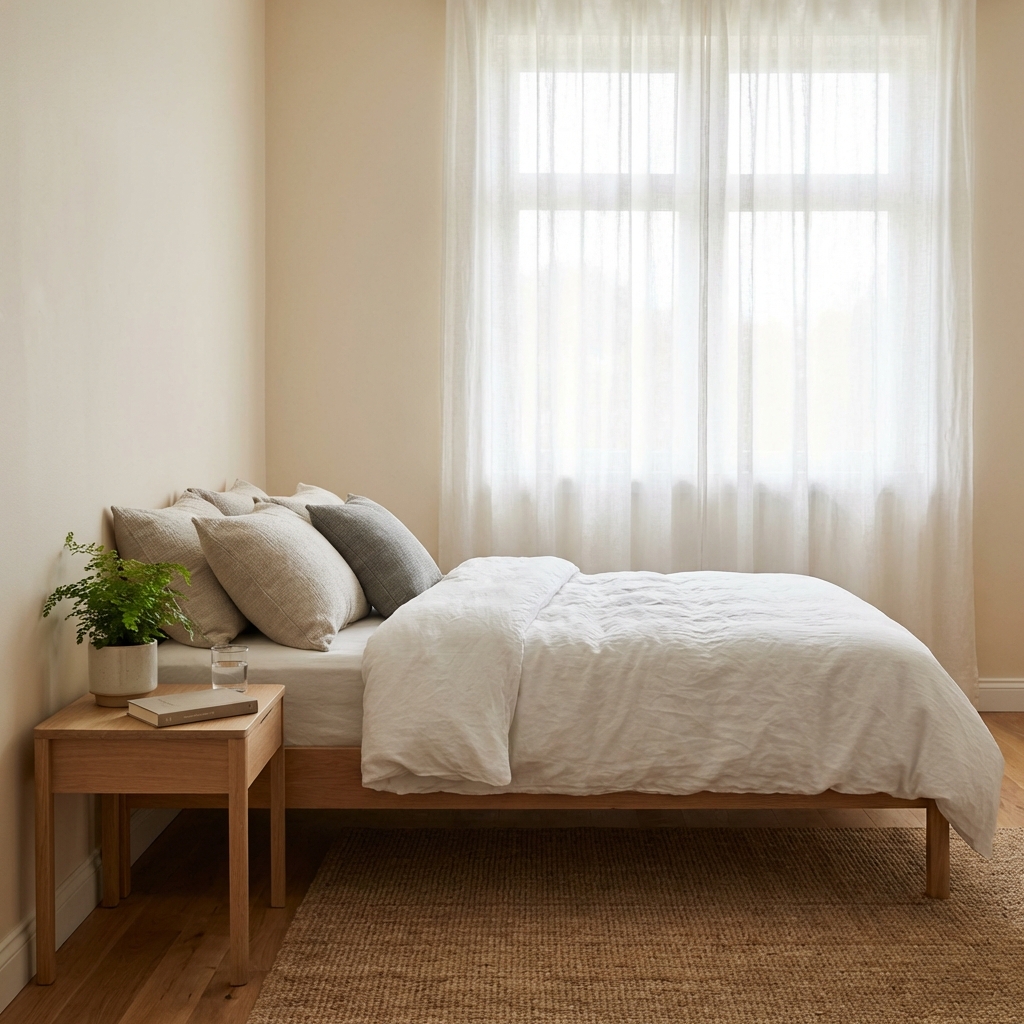
I started by removing my laptop from my bedroom. Then the TV. Then I stopped checking my phone in bed. It felt extreme at first. But within two weeks, I noticed a difference. My brain started to wind down the moment I walked into my room.
Temperature Matters More Than You Think
Your body temperature naturally drops as you fall asleep. This is not a coincidence—it is part of your circadian rhythm. When your environment is too warm, it fights against this natural process.
The ideal sleep temperature is between 60-67°F (15-19°C). Yes, that is cooler than most people keep their homes. But the research is consistent: cooler rooms lead to better sleep.
I used to sleep in a room that was 72°F because I thought I liked being warm. Once I dropped it to 65°F and added a heavier blanket, my sleep quality improved noticeably. The key is a cool room with warm bedding—this combination supports your body's natural temperature regulation.
Light Exposure: The Most Underrated Sleep Tool
If you only change one thing about your sleep routine, make it this: get bright light exposure in the morning and dim your lights at night.
Your circadian rhythm is controlled by light. Morning light tells your brain it is time to wake up and sets a timer for melatonin release 14-16 hours later. Evening light, especially blue light from screens, confuses this system and delays melatonin production.
I started going outside within 30 minutes of waking up, even if just for 10 minutes. On cloudy days, I sit near a window. At night, I dim the lights in my home starting around 8 PM and use blue light filters on my devices.
This simple change had a bigger impact on my sleep than any supplement or sleep aid I have ever tried.
The Pre-Sleep Routine That Works
Your body needs a signal that it is time to wind down. A consistent pre-sleep routine provides that signal.
Here is what works for me:
- 90 minutes before bed: No more caffeine, heavy meals, or intense exercise
- 60 minutes before bed: Dim the lights, put away work, start winding down
- 30 minutes before bed: No screens, light reading or stretching, prepare for tomorrow
- 15 minutes before bed: Brush teeth, get into bed, lights out
The key is consistency. Your brain learns the pattern. After a few weeks, your body starts preparing for sleep automatically when you begin the routine.
What About Naps?
Naps are tricky. They can be helpful or harmful depending on when and how long you nap.
If you struggle with nighttime sleep, avoid naps after 3 PM and keep them under 20-30 minutes. Longer naps or late-day naps can interfere with your sleep drive at night.
If you sleep well at night, a short afternoon nap can be beneficial. Just keep it brief and early.
The Caffeine Cutoff
Caffeine has a half-life of about 5-6 hours. That means if you drink coffee at 4 PM, half of that caffeine is still in your system at 10 PM.
I used to drink coffee all day and wonder why I could not sleep. Once I set a hard cutoff at 2 PM, my sleep improved significantly. Some people are more sensitive and need to stop even earlier—noon or 1 PM.
Pay attention to how caffeine affects you. If you are struggling with sleep, try moving your cutoff earlier and see what happens.
Alcohol: The Sleep Thief
Alcohol might make you feel sleepy, but it destroys sleep quality. It suppresses REM sleep, causes frequent awakenings, and leaves you feeling unrested even after a full night in bed.
I am not saying never drink. But if sleep is a priority, be strategic. Avoid alcohol close to bedtime, and if you do drink, give your body several hours to metabolize it before sleep.
When to Seek Professional Help
If you have tried everything and still struggle with sleep, it might be time to see a sleep specialist. Conditions like sleep apnea, restless leg syndrome, and chronic insomnia require professional treatment.
Do not suffer in silence. Good sleep is not a luxury—it is a biological necessity. If you are not getting it, get help.
The Bottom Line
Sleep hygiene is not about perfection. It is about creating conditions that make sleep easier. Start with one or two changes. See what works. Build from there.
For me, the biggest wins were: getting morning light, keeping my bedroom cool, and establishing a consistent pre-sleep routine. Your wins might be different. The key is to experiment and pay attention to what actually helps.
Sleep is the foundation of everything else. When you sleep well, everything else gets easier. It is worth the effort.