
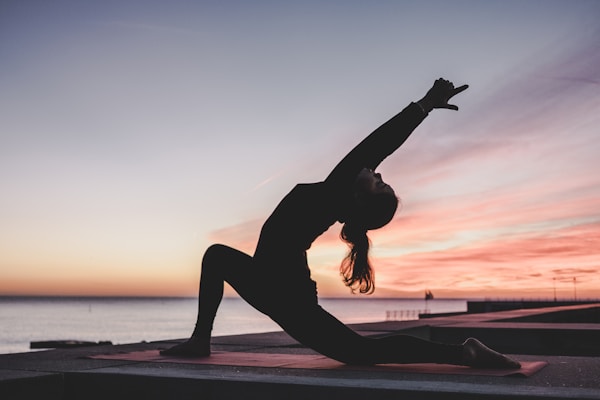
When anxiety strikes, your breath is one of the most powerful tools you have. Unlike heart rate or stress hormones, breathing is the one autonomic function you can consciously control. By changing how you breathe, you can shift your nervous system from fight-or-flight to rest-and-digest in minutes.
Why Breathing Works
Deep, slow breathing activates the vagus nerve, which triggers the parasympathetic nervous system. This lowers heart rate, reduces blood pressure, and decreases cortisol levels. It's not just calming—it's physiologically transformative.
Technique 1: Box Breathing (4-4-4-4)
Used by Navy SEALs to stay calm under pressure:
- Inhale for 4 counts
- Hold for 4 counts
- Exhale for 4 counts
- Hold empty for 4 counts
- Repeat 4-8 cycles
Best for: Quick stress relief, pre-performance anxiety, regaining focus.
Technique 2: 4-7-8 Breathing
Developed by Dr. Andrew Weil for relaxation and sleep:
- Exhale completely through your mouth
- Inhale through your nose for 4 counts
- Hold for 7 counts
- Exhale slowly through your mouth for 8 counts
- Repeat 4 cycles
Best for: Falling asleep, deep relaxation, reducing intense anxiety.
Technique 3: Physiological Sigh
Discovered by Stanford researchers as the fastest way to calm down:
- Take a deep breath in through your nose
- At the top, take a second smaller breath to fully inflate your lungs
- Slowly exhale all the air through your mouth
- Repeat 1-3 times
Best for: Immediate relief, in-the-moment anxiety, when you only have seconds.
Practice Before You Need It
The best time to learn these techniques is when you're calm. Practice daily so they become second nature. When anxiety arises, you'll have muscle memory to rely on.
"Feelings come and go like clouds in a windy sky. Conscious breathing is my anchor." – Thich Nhat Hanh
Your breath is always with you. Learn to use it, and you'll have a powerful tool for calm whenever you need it.